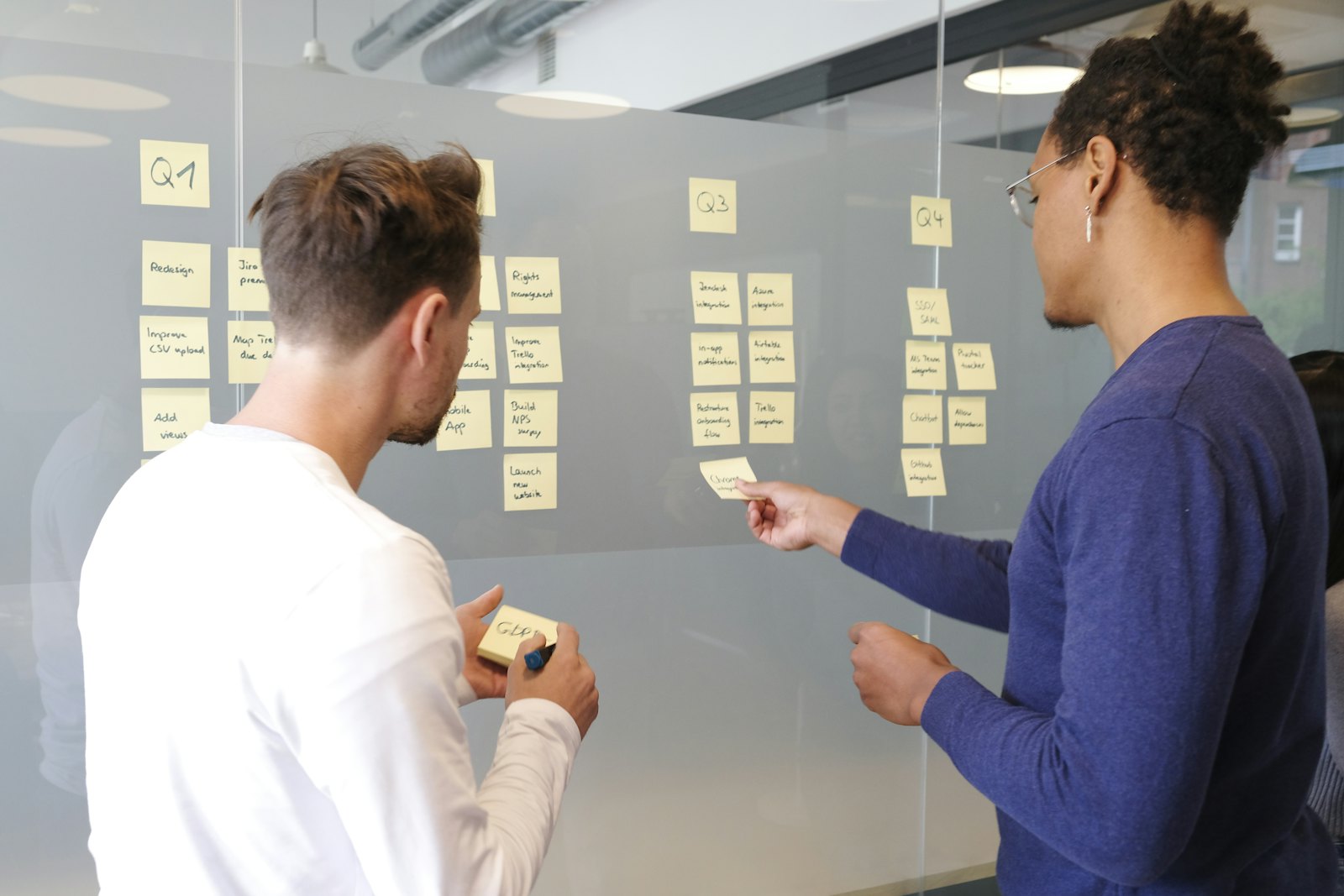
The weekly status meeting is usually a symptom, not a problem. People gather because nobody trusts that the information they need is written down anywhere reliable. So everyone takes turns reading their updates aloud, and an hour disappears.
Make status visible by default
Start by agreeing on one place where work lives and one simple status field: on track, at risk or blocked. If every project has an owner and a status that updates as work moves, most of the questions asked in the meeting are already answered before it starts.
Replace updates with a dashboard
A live dashboard showing overdue work, at-risk projects and upcoming milestones does in seconds what a round-the-table update does in an hour. Share the link on Monday morning and ask people to comment there instead of saving it up.
Keep the meeting for decisions
You don't have to cancel the meeting entirely. Shrink it to fifteen minutes and use it only for things that need a conversation: blockers, trade-offs and decisions. If there's nothing on the list, cancel it and give everyone their hour back.
Measure the change
After a month, look at how many meetings you've reclaimed and whether deadlines slipped. Teams we work with typically save three to five hours a week per manager, with no drop in on-time delivery.
Leah Moreno
Oct 2026 · 6 min read